
Image credit: Pexels
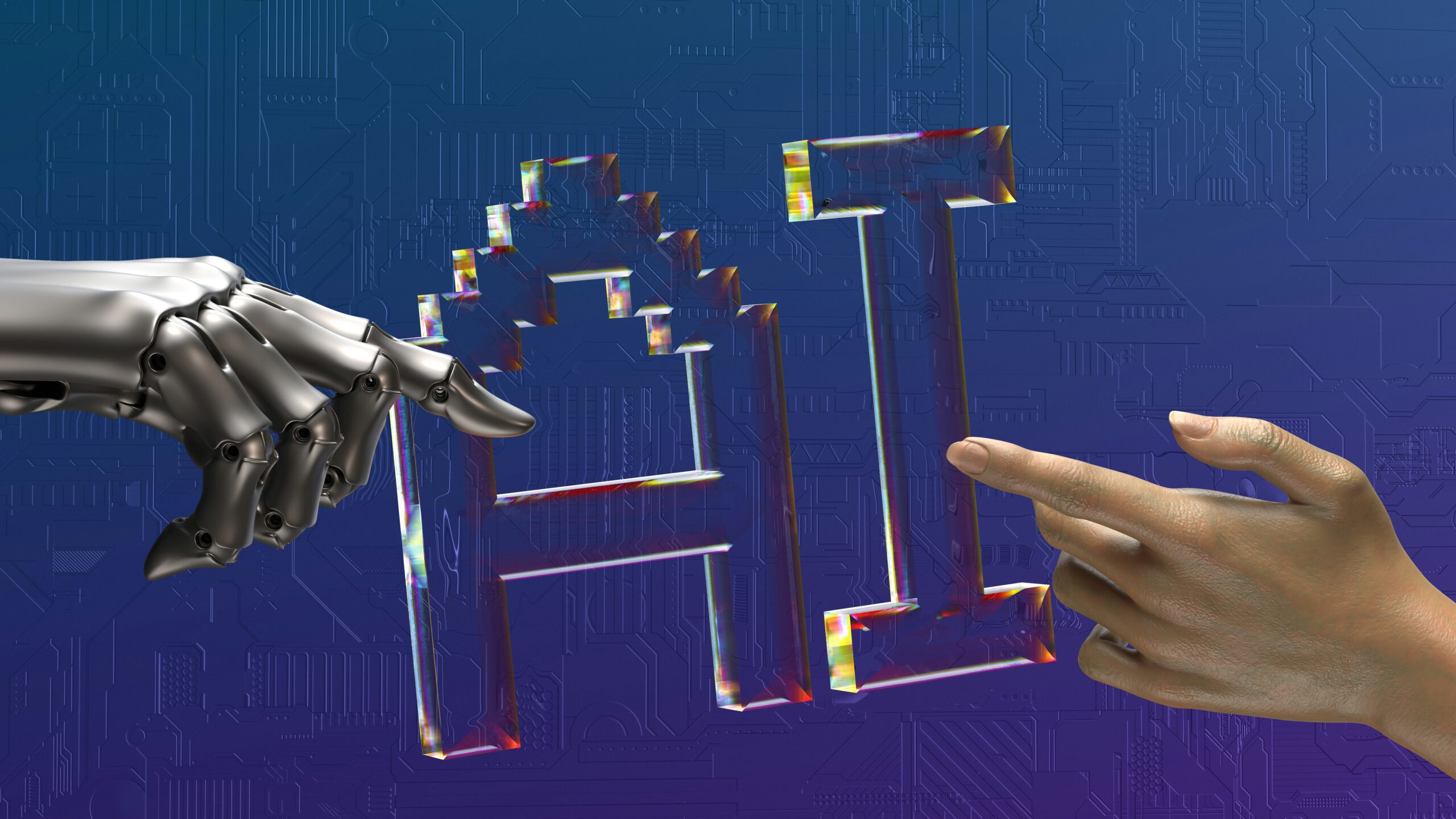
As e-commerce brands face rising customer expectations and supply chain volatility, AI-powered tools are helping retailers improve forecasting, streamline deliveries, and operational efficiencies.
The E-commerce industry is now under mounting pressure as customer expectations rise for faster deliveries, real-time tracking, and consistent product availability. Retailers are struggling to assess unpredictable buying patterns and supply chain disruptions. In response, many companies are turning to artificial intelligence to improve how inventory moves through warehouses and how products reach customers.
AI integration has become imperative in logistics operations to provide better visibility across fulfillment systems, inventory levels, and delivery networks. E-commerce brands are no longer relying on manual forecasting or static planning models. Instead, they are using AI tools to process large volumes of operational data and identify patterns in real time.
AI-Powered Forecasting Is Reducing Inventory Risks
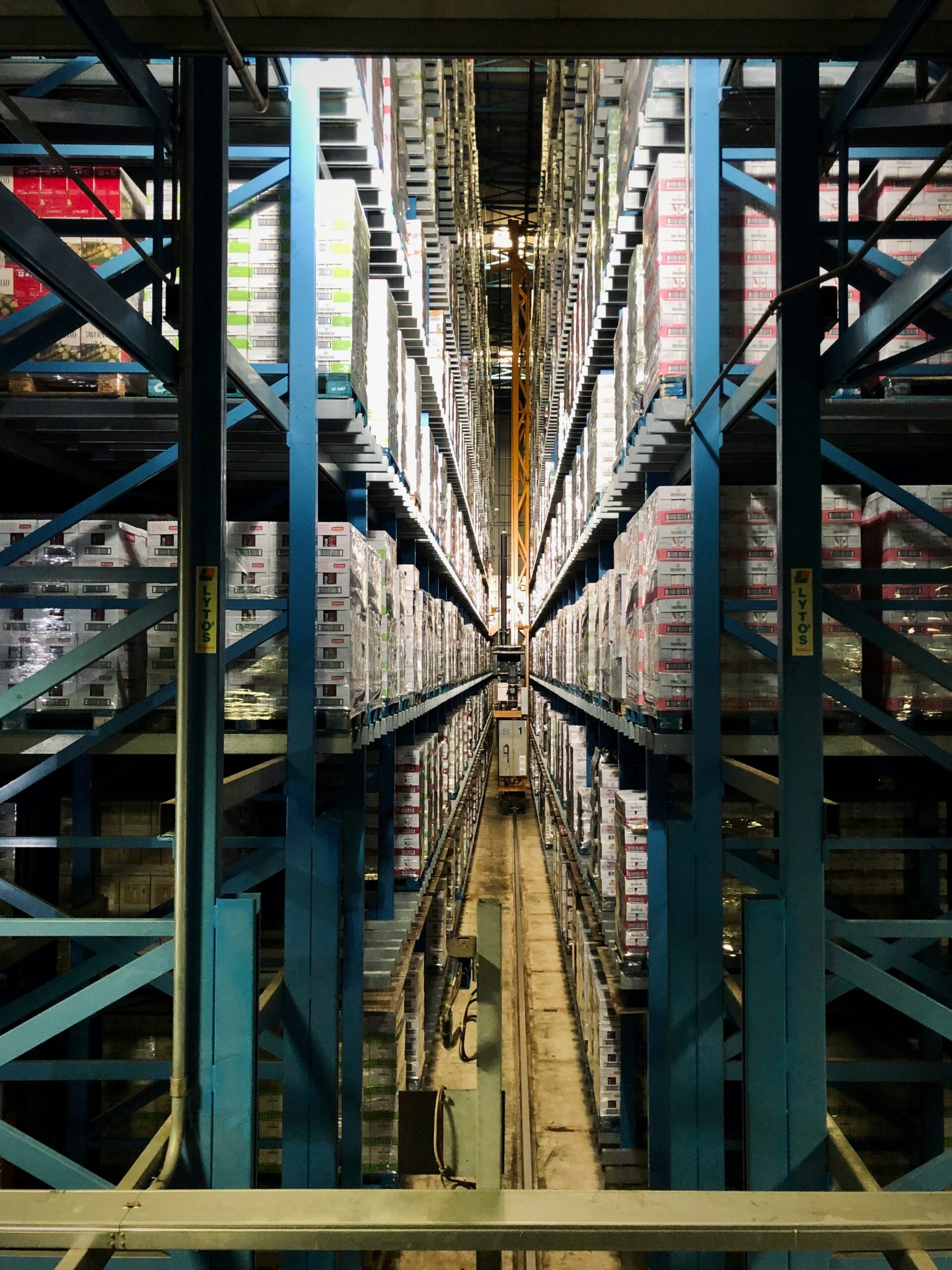
One significant application of AI in ecommerce logistics is inventory forecasting. Retailers used to struggle to balance supply with fluctuating demand, particularly during seasonal spikes, promotional campaigns, or unexpected market shifts.
AI tools analyze historical sales data, customer purchasing behavior, seasonal demand cycles, and supply chain disruptions to help businesses more accurately predict future inventory requirements. These systems are continuously processing incoming data to provide real-time forecasts. This is helping ecommerce brands reduce both overstocking and understocking.
Excess inventory often increases storage costs and ties up capital, while stock shortages can lead to lost sales and dissatisfied customers. AI-driven forecasting is reducing the high emergency shipping costs companies often incur due to poor inventory planning.
Delivery Optimization Is Becoming More Data-Driven
AI is transforming delivery operations as retailers grapple with shorter delivery windows and higher fulfillment accuracy.
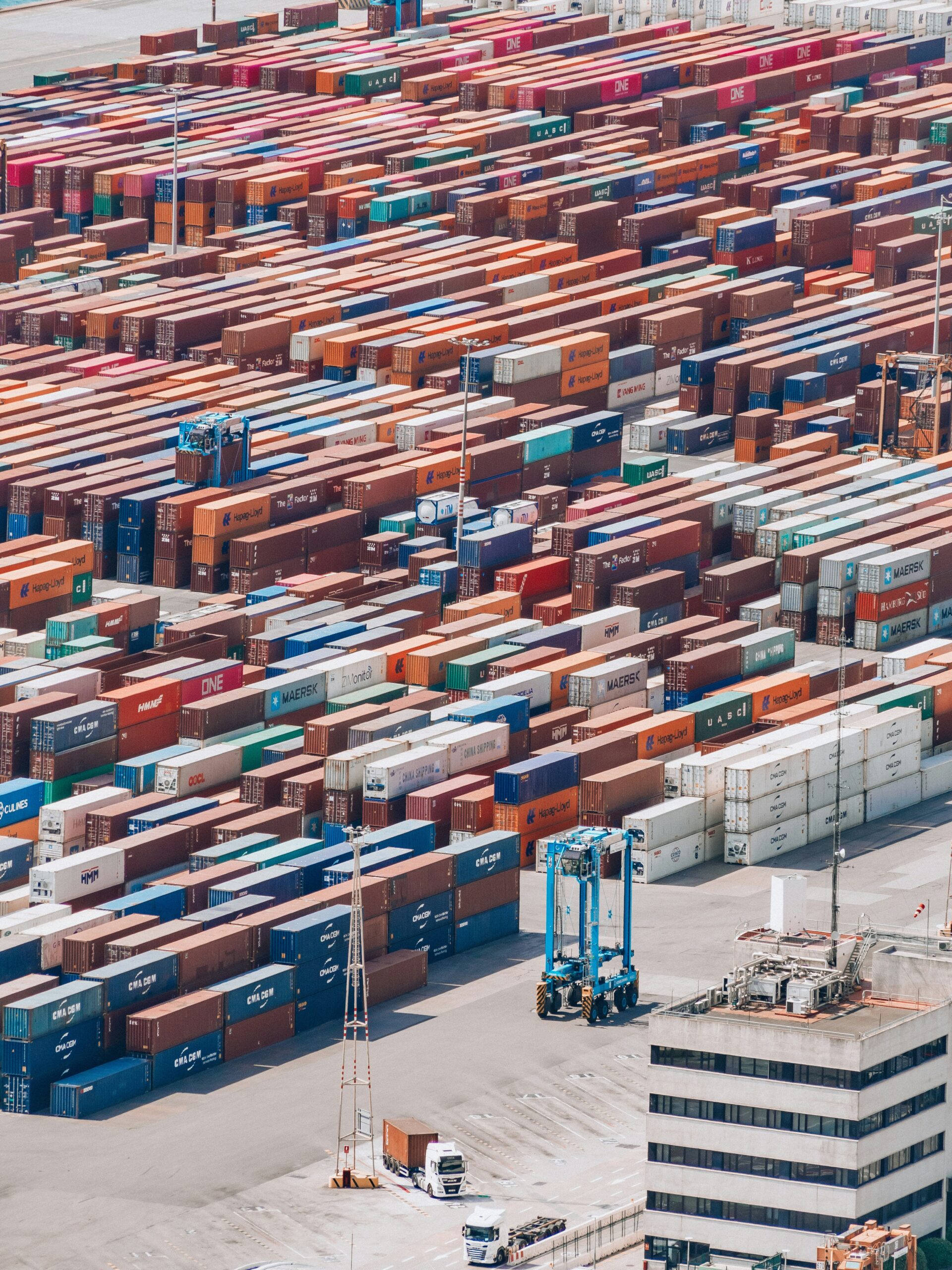
AI- powered route optimization tools can analyze traffic conditions, weather patterns, delivery density, and driver availability to recommend more efficient delivery routes. This is helping to reduce fuel consumption, shorten delivery times, and improve operational efficiency of logistics providers.
With AI systems, retailers can position inventory closer to customers by analyzing regional demand trends. Companies can allocate warehouse stock more strategically and reduce delays caused by long-distance shipping. Estimated delivery times have also become more accurate through predictive AI systems that monitor live operational conditions.
Olga Kokhan, CEO of Tinkogroup, notes that AI needs accurate data from humans to be successful and make accurate predictions.
“AI models are still in the early adoption phase, and that’s the place where you can catch and stop the problem, and then search for what was leading to it before,” says Kokhan.
Human Oversight Still Matters
Despite the rapid adoption of AI tools, industry experts continue to stress that automation should support operational teams rather than replacing them entirely.
Supply chains remain highly sensitive systems in which small forecasting or routing errors can cause larger downstream disruptions. Human judgment is still essential when companies face unusual demand spikes, supplier instability, or operational exceptions that AI systems may not fully understand.
Wilson Guenther of Drivia, a software developer who builds and trains AI systems, emphasized the importance of maintaining human involvement in decision-making.
“AI is not here to replace you. It’s here to assist you and keep you from making human errors that machine can stop.”
He emphasizes the balance between automation and oversight that is becoming increasingly important for expanding ecommerce businesses. According to Guenther, “People need to realize what AI is a tool.”
He believes in “training a human to use the software and to realize the software is important.”
For Guenther, over-dependence on AI can be a bottleneck, so human supervision is imperative.
Rohit Nair, founder and CEO of Assureful, states that AI is beneficial for growth and logistics, but human oversight is still needed for accuracy.
“So we’ve built application layers and trained models to do this ourselves within our existing workflows. We still do have human checks on what the AI system is doing,” says Nair.
Training Employees Is Becoming a Priority
Many companies are also discovering that implementing AI software alone does not guarantee operational improvement. Teams must understand how to interpret AI-generated recommendations and recognize when systems may be producing unreliable outputs. Understanding when manual intervention is necessary is also important.
As a result, ecommerce companies are investing more heavily in workforce education around AI systems and data interpretation.
Andre Franca, CTO of Ergodic, states that teams must understand what is failing in supply chains before AI can streamline the process. From there, AI can be used to balance inventory by analyzing demand and optimizing trade-offs among fulfillment rates, lead times, and capital costs that are tailored to specific business needs.
“Once we understand what is failing and what the materiality of those failures is, we can actually go in and start working on a concrete plan to improve the overall process,” says Franca.
Poor Data and AI Hallucinations Remain Serious Concerns
While AI offers clear operational advantages, businesses continue to face challenges related to data quality and system reliability.
Poor or incomplete data can lead to inaccurate forecasts and flawed delivery recommendations. In some cases, disconnected software platforms create inconsistencies between inventory systems, warehouse management tools, and delivery platforms, limiting the effectiveness of AI analysis.
Companies also face AI hallucinations, in which systems generate outputs that appear credible but are inaccurate or misleading. In logistics operations, such errors can create costly disruptions if employees fail to verify recommendations before acting on them.
Tool overload has emerged as another concern. Some ecommerce companies adopt multiple AI platforms without fully integrating them into their existing workflows, creating confusion rather than efficiency.
Raphael Yue, CEO of Sophus Technology, emphasizes that AI can be a beneficial assistant in the workplace, but human oversight will always be needed.
“AI is never 100% accurate, but AI can do that 70-80% of the stuff that you want to do, like repeatable work. So you can carry that part of the work where people focus on the other 20% to make it really accurate,” says Yue.
AI Delivers the Best Results When Paired With Strong Operations
As ecommerce logistics become more complex, AI is proving valuable in empowering businesses with forecasting accuracy, delivery efficiency, and operational visibility. Yet the technology works most effectively when combined with strong internal systems, reliable data, employee training, and ongoing human oversight.
The ecommerce companies seeing the greatest benefits are not relying on AI solely to operate. Instead, they are using it as part of a broader operational strategy to strengthen teams’ decision-making and reduce avoidable errors across the supply chain.