
Landscape projects tend to move quickly on paper, but plant availability doesn’t always move at the same pace. As schedules tighten, sourcing often shifts from planned decisions to last-minute problem-solving, which is where custom plant growing becomes especially important. That’s usually where uncertainty starts to show up for designers working through complex site requirements.
Custom plant growing helps close that gap by aligning production with real project demand across regions. It reduces the need for substitutions that can affect how plants perform once installed. With better planning upfront, plants are more likely to establish well across the varied Northeast and Mid-Atlantic climates.
Aligning Production With Real Project Timelines
Landscape schedules can change quickly, while plant production follows a much longer growth cycle. When those two aren’t aligned early, it creates gaps right when materials are needed most. Getting ahead of that coordination helps keep installation work moving without interruptions.
In regions like New York and Pennsylvania, seasonal shifts can shorten planting windows faster than expected. Because of that, even small timing gaps in plant readiness can affect multiple phases of a project. Early coordination helps contractors avoid pressure during already tight installation periods.
Growers can then adjust production cycles to match expected installation dates more closely. That usually leads to better-timed deliveries and fewer delays on site. As a result, projects move more smoothly from scheduling into field execution.
Custom Plant Growing for Spec-Driven Landscape Design
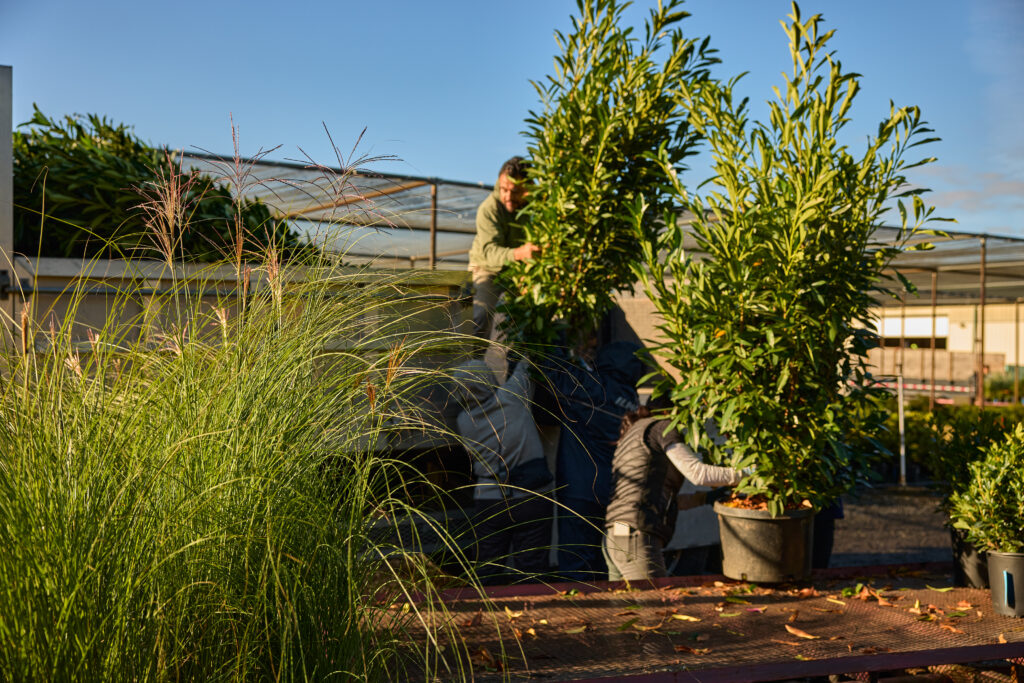
Custom plant growing keeps design intent intact by matching production directly to project specifications. Instead of adjusting plans to fit available inventory, designers can secure exact plant lists early. That consistency is especially important in large ecological or multi-phase projects. Projects using river birch, red maples, switchgrass, ferns, or pollinator-friendly perennials often depend on uniform sizing and reliable availability across every phase.
Design-driven work depends heavily on early alignment between plant schedules and production timelines. When that coordination happens late, substitutions become more likely during procurement. Early planning helps protect both design intent and expected plant performance.
To keep that alignment on track, professionals usually focus on a few core priorities:
Lock species lists early so production can stay ahead of demand
Confirm quantities before construction schedules tighten
Match grow timing to real installation windows
Keep sizing consistent across all project phases
Double-check native selections before procurement begins
In practice, USDA Plant Hardiness Zones group regions into 13 zones based on average annual extreme minimum winter temperatures, with each zone covering a 10-degree Fahrenheit range. Each zone is also split into “a” and “b” subzones for finer 5-degree differences. While helpful as a guide, site conditions like soil, moisture, and microclimates still influence real plant performance.
Reducing Supply Risk During Peak Construction Seasons
Peak construction seasons are often when supply challenges show up the most. Demand spikes, schedules tighten, and plant needs become concentrated across many projects at once. Native trees, screening shrubs, and large container-grown grasses are often some of the first materials affected during peak demand periods.
Without early planning, sourcing can quickly turn reactive.
Most delays come down to timing gaps between when plants are needed and when they’re available. With better coordination early in the process, a lot of that pressure can be avoided. It simply keeps supply and demand more balanced through busy seasons.
To reduce risk during peak periods, teams typically focus on a few practical controls:
Secure availability before seasonal demand peaks
Reserve production space ahead of construction surges
Confirm key native species early in the process
Align grow cycles with phased installation timing
Plan delivery windows before site mobilization begins
EPA research shows that green infrastructure helps manage stormwater and reduce urban heat in built environments. Those benefits only come through when plantings are successfully installed and thriving on site. Good planning helps ensure everything is ready when it needs to be in the ground.
Custom Plant Growing and Installation Readiness
Installation success depends on plants arriving at the right stage of readiness for field conditions. When timing is off, even high-quality material can struggle during establishment. Coordinated growing helps reduce that gap between production and installation.
In regions like Maryland and Virginia, weather shifts can change planting windows quickly. Because of that, production planning needs enough flexibility to adjust to field conditions. That flexibility helps improve plant performance once they’re installed.
Plants used in rain gardens, shaded courtyards, or roadside buffers often need especially careful timing to arrive ready for changing field conditions. That includes material like ferns, sedges, dogwoods, and moisture-tolerant shrubs such as buttonbush (Cephalanthus occidentalis).
Custom plant growing also keeps expectations aligned between production and job site realities. Plants are finished under controlled conditions so they’re not rushed or held too long before installation. That consistency helps reduce stress during early establishment in the field.
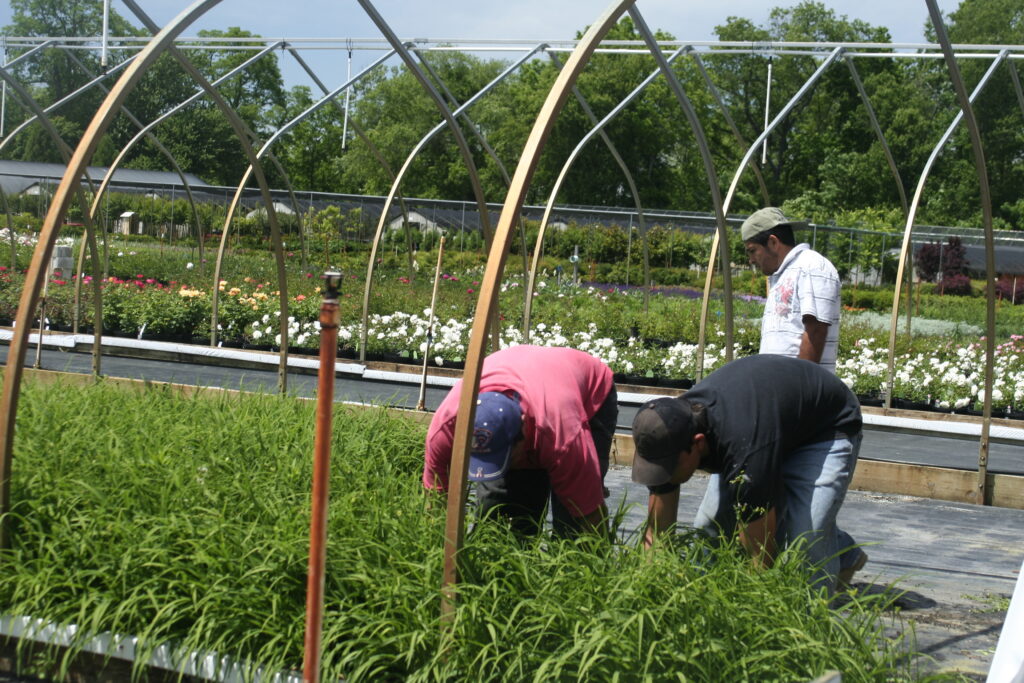
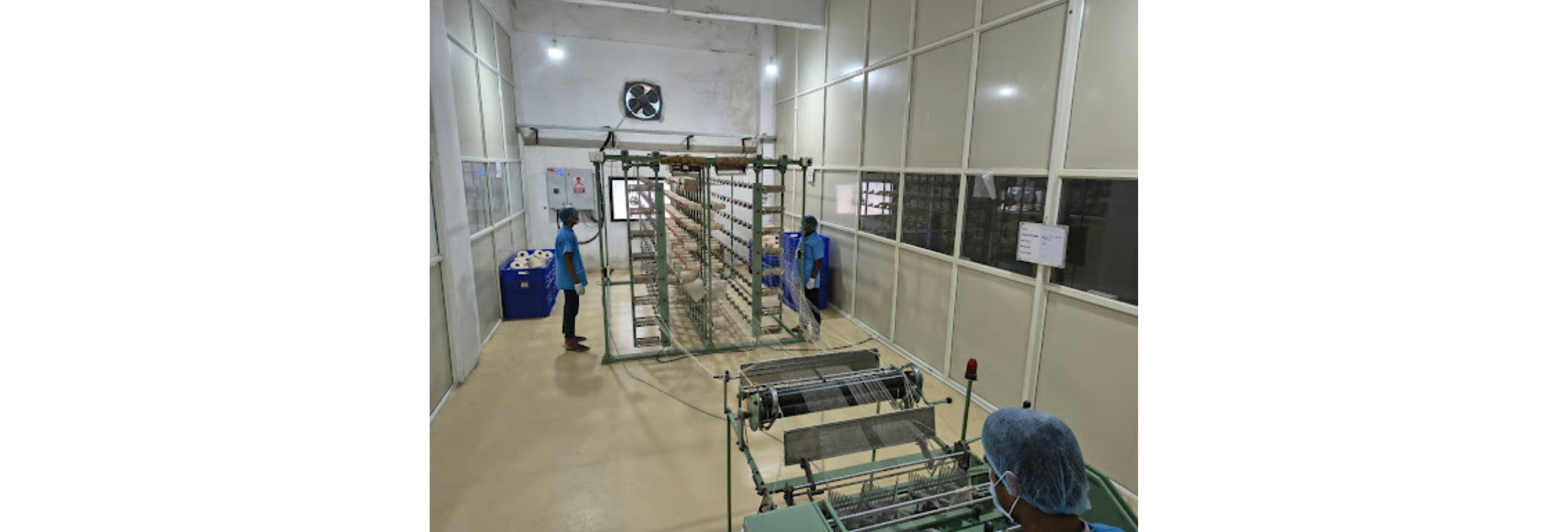
Pleasant Run employees are working on spacing plants for better air flow and fuller growth.
Custom Plant Growing for Selection Control and Quantity Confidence
Large landscape projects rely on having the right plants, in the right quantities, at the right time. When those details aren’t locked in early, sourcing can become unpredictable once construction begins. Early planning helps keep everything more stable on site.
Good coordination between designers, growers, and procurement teams also reduces pressure during execution. Instead of scrambling for replacements, teams can focus on installing the project as designed. That clarity becomes especially important in phased or multi-site work.
To keep supply and selection on track, teams usually focus on a few essentials:
Lock plant choices early to secure availability
Confirm quantities before installation begins
Maintain consistent native and ornamental mixes
Reduce substitution risk during peak demand periods
Secure container-grown material ahead of scheduling pressure
When those basics are handled early, construction tends to run more smoothly. Deliveries align better with field progress, and crews experience fewer disruptions. Overall, coordination makes the entire process more predictable and less stressful.
Long-Term Landscape Performance Through Planned Production
Long-term plant performance depends less on scheduling and more on how well plants establish after installation. Even strong designs can underperform if plant material isn’t grown with field conditions in mind. Early production quality plays a major role in how landscapes mature.
In cities like Boston and Philadelphia, site conditions can vary significantly from one location to another. Soil, shade, drainage, and exposure often shift even within the same project area. Because of that, consistent plant quality at installation is key to stable establishment.
Custom plant growing supports better long-term performance by matching production to regional climate conditions. Climate guidance helps inform species selection for winter survival and adaptation. When production and site conditions are aligned, plants are more likely to establish successfully and perform as intended.
Planning That Strengthens Every Project Stage
Strong landscape outcomes come down to timing, coordination, and having plants ready when they’re needed. Without that planning, even well-designed projects can run into avoidable delays during installation. A more structured production approach helps reduce that uncertainty.
At Pleasant Run Nursery, custom plant growing supports a consistent, predictable supply for complex landscape projects. It keeps timing, quantities, and plant selection aligned across a wide range of site conditions. That kind of coordination helps professionals deliver landscapes that perform reliably long after installation.
Written in partnership with Tom White