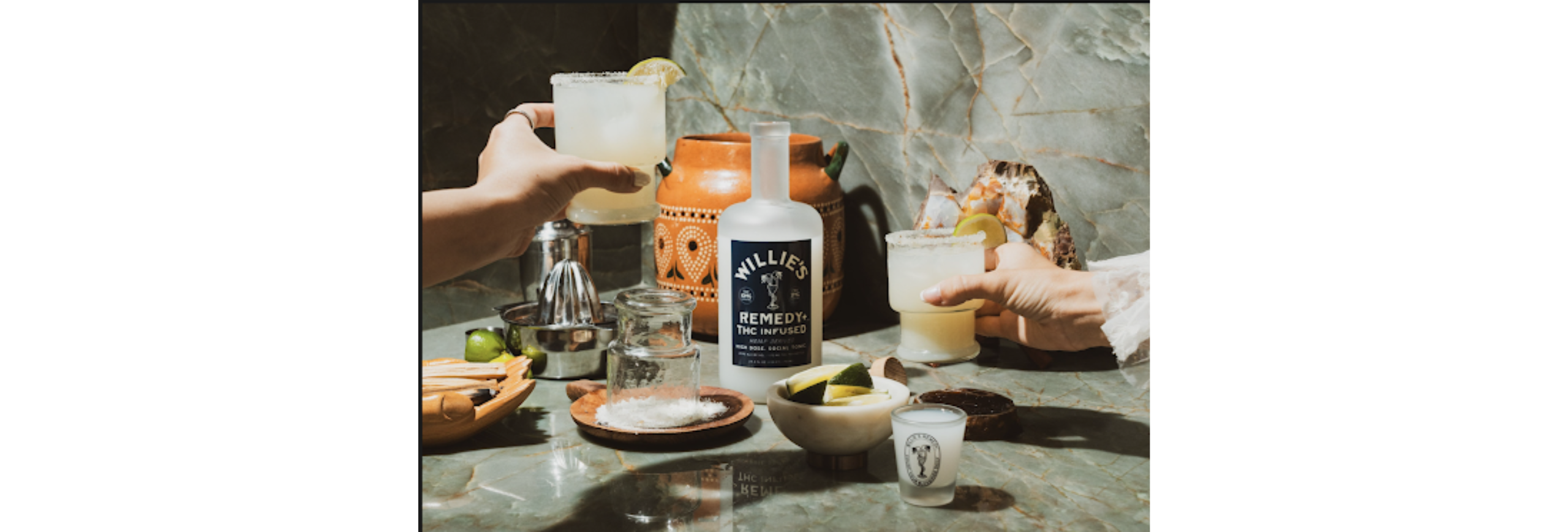

Corporate culture used to run on martinis and late-night hotel bars. Now, the modern leadership stack is built around clearer mornings—early flights, “whoop straps,” cold plunges, and a growing refusal to let the third round sabotage the next day. Low-dose THC beverages are stepping into the nightcap role, offering a familiar ritual with a different cost profile.
The hangover tax meets the modern leadership stack
There was a time when “networking” meant another drink, another story, another late night in a hotel lobby bar. The deal got done. The team bonded. The morning after was simply part of the job.
That expectation is quietly breaking.
Not because executives have suddenly become anti-fun—but because the executive lifestyle has evolved into a performance system. When your calendar starts early, when your travel cadence is relentless, when your decision-making has real consequences, the hangover isn’t just unpleasant. It’s inefficient.
This is why a new status signal is emerging: the ability to clock out without paying for it tomorrow.
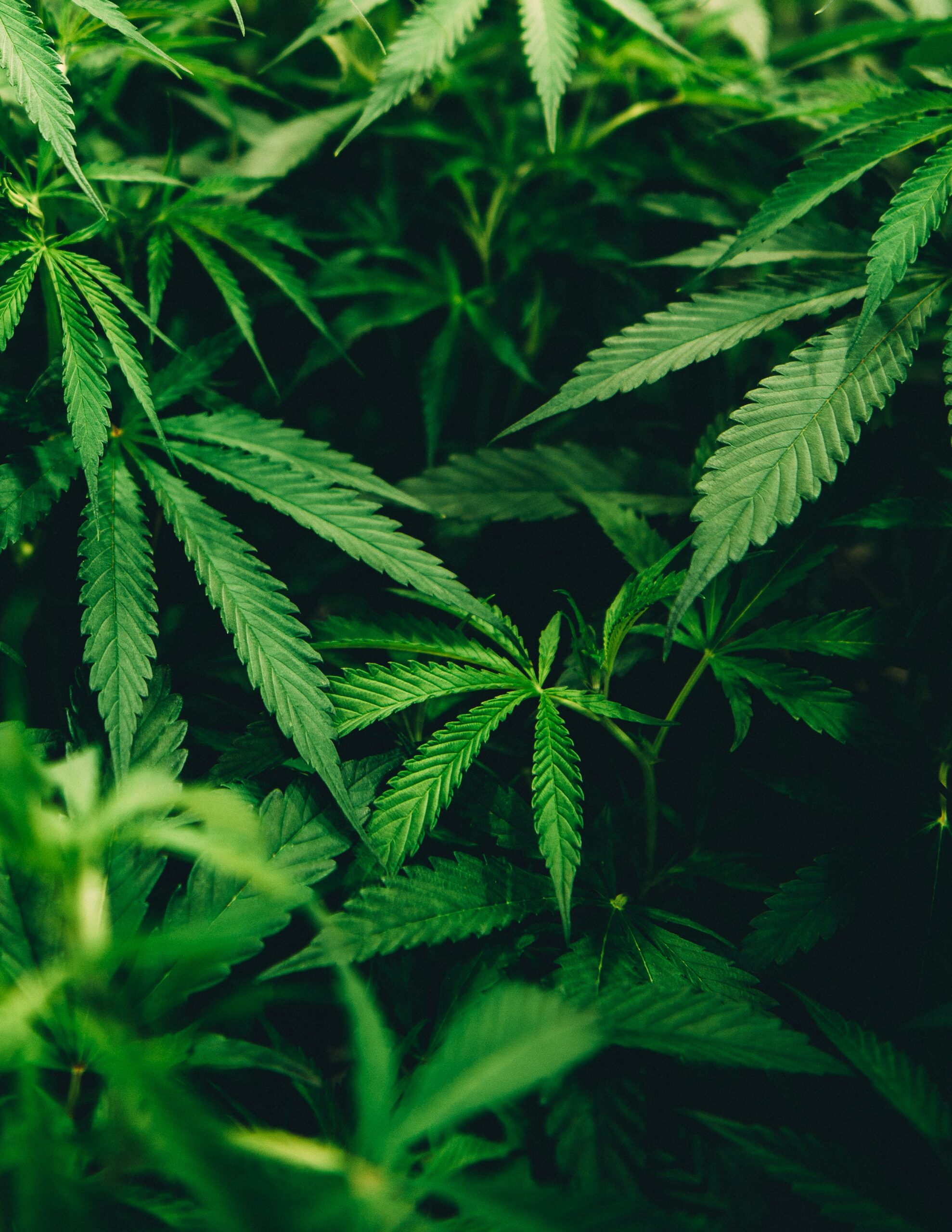
And that’s where THC beverages show up—not as a counterculture statement, but as an increasingly mainstream tool for people who still want the ritual of a nightcap, without the next-day drag that can “quietly torpedo” performance.
“No thanks” doesn’t have to mean “go home”
Here’s the shift: declining alcohol used to come with a social penalty.
You’d pass on drinks and the night would tilt. You’d feel like the odd one out. You’d leave early. The social glue that alcohol provides—ease, looseness, the shared moment—was hard to replace.
But the new wave of alternatives is designed to keep the social intact while changing the outcome. That’s the opening THC beverages are filling: a modern, measured option that still feels like participating.
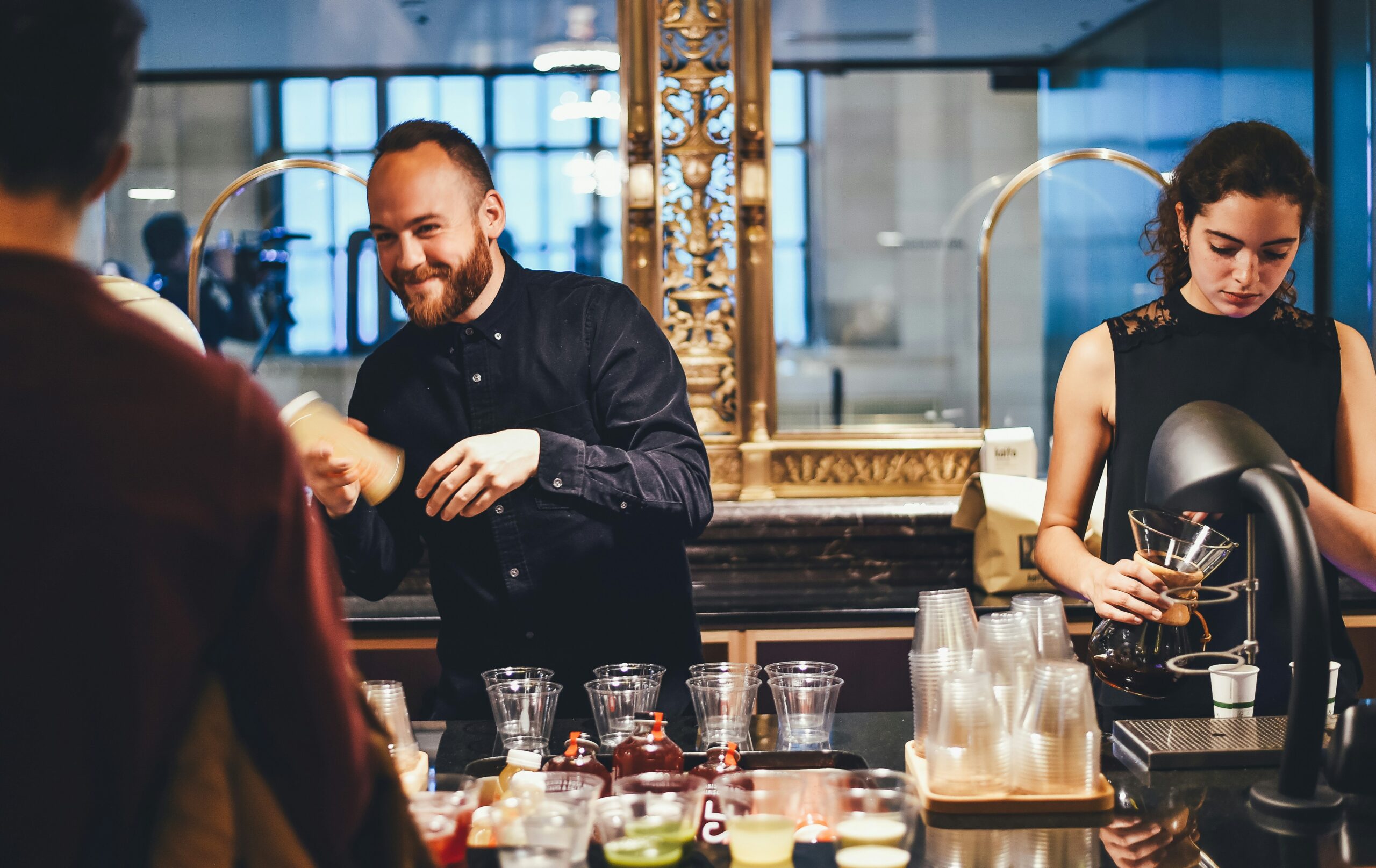
It’s the same gesture—cracking something cold, pouring over ice, raising a glass—just with a different substance and a different morning.
A calmer way to clock out
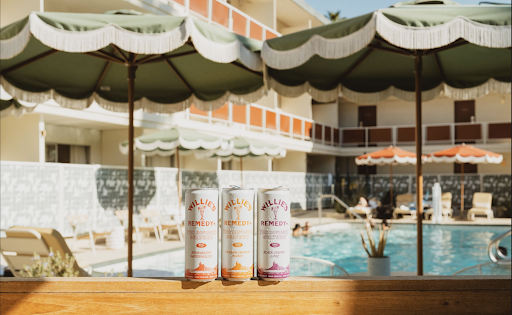
Executives are under no shortage of pressure. The goal isn’t to escape reality; it’s to step out of the inbox long enough to actually enjoy the evening—and still show up sharp for whatever comes next.
The draft frames this category as a new kind of executive nightcap: something you can integrate into a routine that already prioritizes diet, training, and time discipline. In that context, swapping out a heavy cocktail for a lighter alcohol alternative becomes less like deprivation and more like strategy.
That’s the logic behind Willie Nelson’s hemp-derived line, Willie’s Remedy+ which is positioned as part of the “new class of THC beverages” that fits into a high-performance lifestyle without forcing a personality change.
The product logic: dosing, formats, and predictability
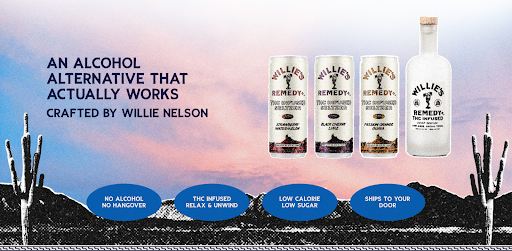
Executives are under no shortage of pressure. The goal isn’t to escape reality; it’s to step out of the inbox long enough to actually enjoy the evening—and still show up sharp for whatever comes next.
The draft frames this category as a new kind of executive nightcap: something you can integrate into a routine that already prioritizes diet, training, and time discipline. In that context, swapping out a heavy cocktail for a lighter alcohol alternative becomes less like deprivation and more like strategy.
That’s the logic behind Willie Nelson’s hemp-derived line, Willie’s Remedy+ which is positioned as part of the “new class of THC beverages” that fits into a high-performance lifestyle without forcing a personality change.
The product logic: dosing, formats, and predictability
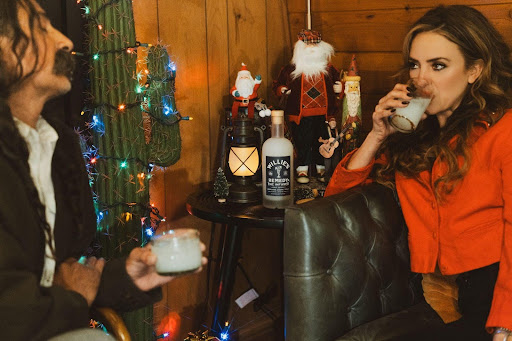
The most interesting part of this story isn’t what people are drinking—it’s what companies are experimenting with.
The draft calls out a new kind of gathering: mocktail bars at offsites, “workday’s over” rituals that don’t revolve around bottomless pours, and leadership retreats where people actually show up for morning yoga.
That’s not a minor detail. When leadership teams change the default, behavior follows.
A company doesn’t have to declare an official stance on alcohol to shift the culture. It only has to offer an option that feels equally “adult,” equally premium, and equally social. THC beverages can fit into that space in markets where hemp-derived THC is legal to ship and consume.
The draft’s argument is straightforward:
- Portion control: each can or shot is dosed, so there’s less guesswork.
- Timing: effects are described as “kicking in within 15–30 minutes” and tapering off in about “90 minutes.”
- Familiar format: glassware, garnishes, toasts—without the alcohol.
Executives aren’t looking for complexity. They’re looking for a new default that doesn’t demand a new identity.
Leadership, outlaw-style
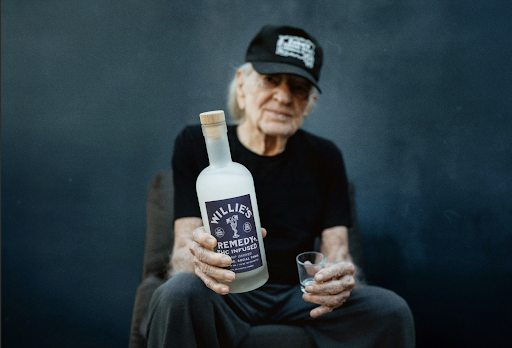
There’s also a cultural layer that’s hard to ignore: Willie Nelson as a symbol.
The draft frames it as “leadership, outlaw-style”—a leadership culture inspired by someone who’s spent a lifetime doing things his own way, grounded in compassion, presence, and freedom. It’s not a corporate, polished aesthetic. It’s relaxed confidence.
That matters because this category isn’t trying to win on shock value. It’s trying to normalize a new way to unwind—one that feels humble, real-world, and not built on over-hyped promises.
In that framing, Willie’s Remedy+ becomes less about THC and more about a posture: there’s more than one way to end the day well.
Sidebar 2: The New Offsite Bar
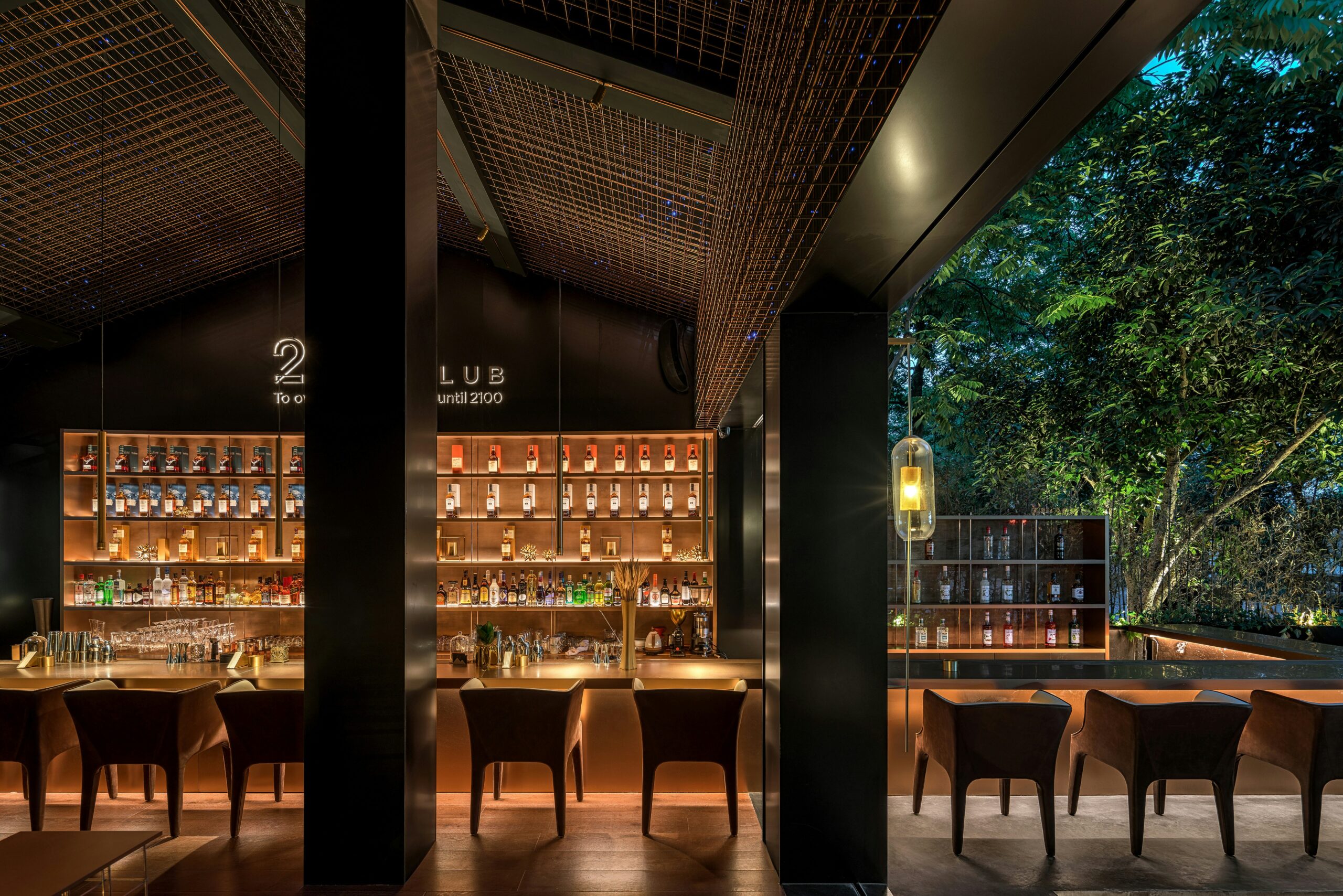
What “executive social” looks like when the third round disappears
- A curated mocktail/alternative bar that’s treated like a premium experience (not a consolation prize)
- The “one drink, then option” model: alcohol for those who want it, alternatives that feel equally social for those who don’t
- “Workday’s over” rituals that signal closure without relying on bottomless pours
- Retreat programming that makes morning participation the flex—not endurance after late nights
Key takeaways
- The hangover is increasingly seen as a performance tax, not a punchline.
- The modern executive lifestyle favors rituals that protect tomorrow’s clarity.
- THC beverages offer participation without the old penalties—“no thanks” doesn’t have to mean “go home.”
- Low-dose formats (5mg/10mg) are positioned around control and predictability, not intensity.
- Company culture is shifting through new gathering formats—mocktail bars, alternative nightcaps, and mornings that matter.
- With Willie Nelson attached, the category gains a cultural signal: relaxed confidence over overstatement.
The bar cart isn’t going anywhere. It’s just getting a new top shelf.
For executives looking for a small change that pays off in energy, focus, and follow-through, the draft lands on a clear conclusion: it may be time to update the classic “let’s grab a drink” playbook.
Not by removing celebration—but by modernizing the way it’s done.
Written in partnership with Tom White