
Per- and polyfluoroalkyl substances (PFAS) can reach your private well long before you think to test. Many well owners search “is my water safe to drink with PFAS” only after a news story raises concern. The real warning signs sit around your property and in your well records, not in the glass.
Our materials chemists and environmental engineers look at water the way a detective looks at evidence. We also own homes, tend gardens, and care for pets, so we know which clues matter to you. Here are the overlooked signs that your well deserves a PFAS test and what to do next.
Is My Water Safe to Drink With PFAS? Signs Worth Checking
PFAS have no taste, smell, or color, so the signs you miss sit outside the water itself. Key indicators include nearby septic systems, farmland, industrial sites, and a well with no PFAS test history. A lab test remains the only reliable way to confirm whether PFAS are present in your water.
Why Your Water Can Look Safe to Drink With PFAS Present
Many well problems announce themselves through odor, staining, or cloudy water, but PFAS stay hidden. Iron leaves orange stains, and sulfur creates a rotten egg smell you notice right away. In contrast, PFAS dissolve into water at parts per trillion (ppt) levels without changing how it looks or tastes.
As a result, clear, great-tasting water tells you nothing about its PFAS content. The EPA’s health-based limit for PFOA and PFOS sits at just 4 parts per trillion which is a concentration far too small for taste, smell, or sight to ever pick up, no matter how clean your water seems. Testing is the only way to know what’s actually in your well.
Standard well tests also miss PFAS, since most basic panels check for bacteria, nitrate, and minerals instead. Even if your well passed an inspection during a home sale, that report likely skipped PFAS entirely— with a couple of exceptions. New Jersey has required PFOA, PFOS, and PFNA testing at the sale or lease of a private-well property since 2021, and Maine now requires landlords with private wells to test for PFAS every five years and share results with tenants. Outside those states, though, PFAS testing at a home sale or rental is still the exception, not the rule. So when you ask, “is my water safe to drink with PFAS,” an old test result cannot answer the question unless you know your state specifically requires it.
According to the Environmental Protection Agency (EPA), private wells fall outside the Safe Drinking Water Act. Unlike public utilities, no one samples your well on a schedule or sends you an annual water report. You hold the responsibility for testing, which makes the hidden risk signs worth learning.
Land Use Signs That Point to Hidden PFAS Risk

The land around your well shapes what reaches your aquifer, so your surroundings offer the best early clues. According to a study of 450 private wells in Wisconsin, higher PFAS levels tracked with developed land and septic wastewater. Before you ask “is my water safe to drink with PFAS present,” check for the following signs near your property.
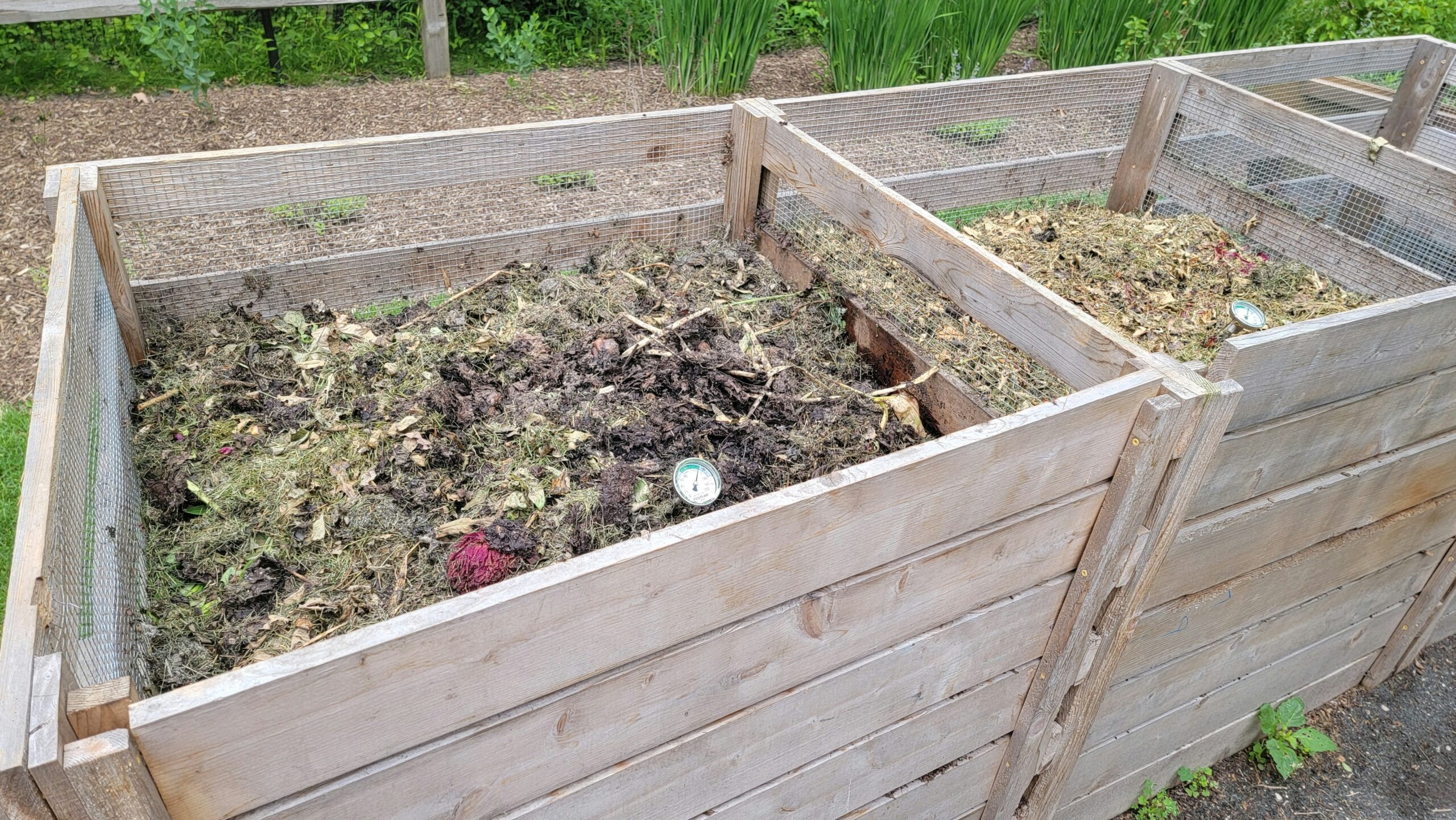
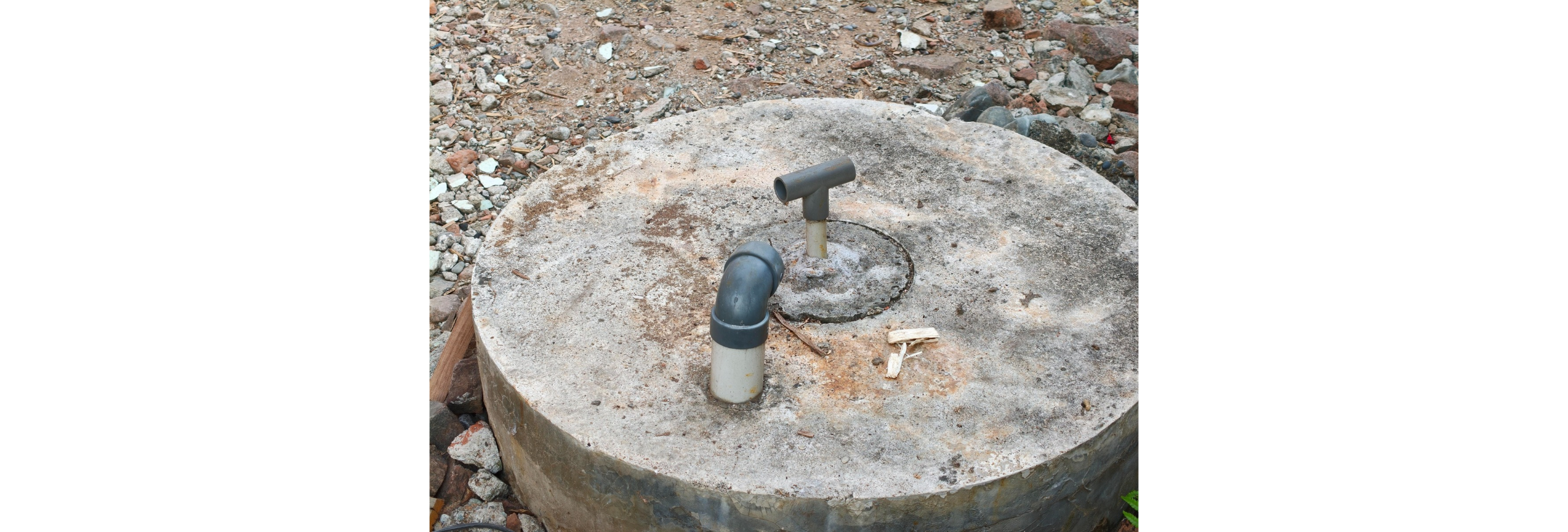
- A septic system close to your well, especially an older system that has not had regular maintenance.
- Farm fields nearby that received biosolids or other waste applications as fertilizer over the years.
- Current or former industrial sites, including metal finishing, paper mills, or textile plants in your area.
- Airports, military bases, or fire training areas where crews may have used firefighting foam containing PFAS.
- Landfills or waste disposal sites upgradient of your well, where groundwater flows toward your property.
Your well depth also plays a role, since shallow wells often draw from groundwater closer to surface sources. Even one of these signs gives you a good reason to test, though none of them confirms contamination. Meanwhile, having none of these signs nearby does not guarantee your well is PFAS-free.
Your county health department or state geological survey can help you learn the land use history around you. Past aerial photos and property records can also reveal old farm fields, dumps, or industrial activity nearby.
How to Find Out if Your Water Is Safe to Drink With PFAS
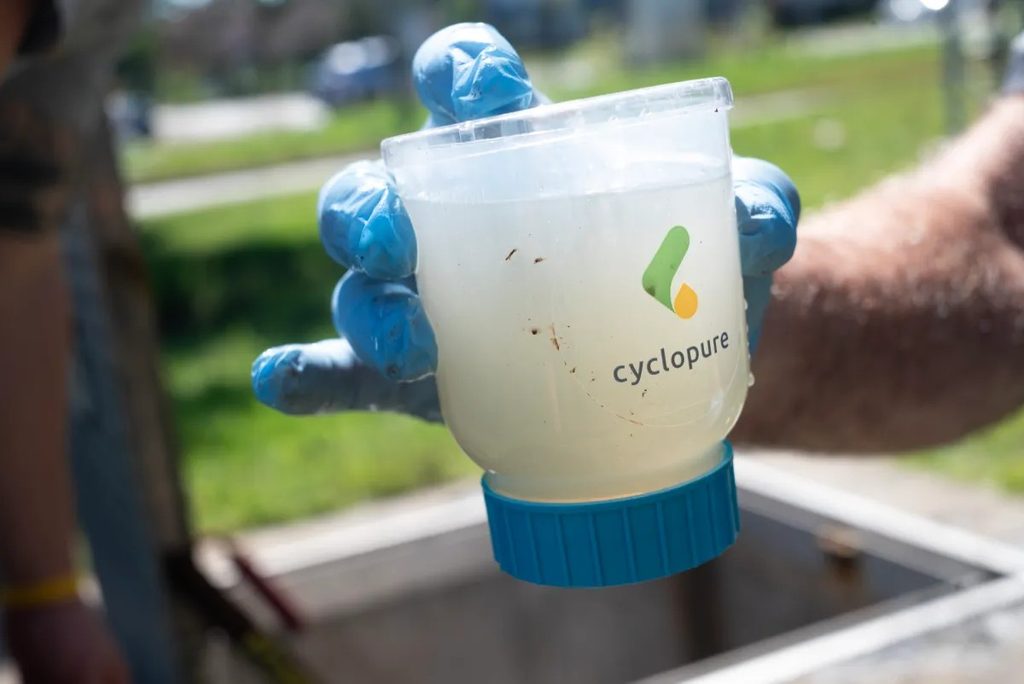
Once you spot a risk sign, a PFAS test turns uncertainty into numbers you can act on. The Cyclopure Water Test Kit Pro screens for 55 PFAS analytes at levels down to 1.0 ppt. Because the kit captures PFAS on a disc at your tap, you ship back only a small cup.
Your results arrive by email 10 to 14 business days after the lab receives your sample. With real data in hand, the question “is my water safe to drink with PFAS” finally has a clear answer. If PFAS show up, our team can help you interpret each compound and plan your next step.
For drinking and cooking, the Purefast® Countertop fits pitchers that use standard-size Brita® filters and needs no installation. For every tap in your home, a whole-home Purefast® system with DEXSORB® treats water at the point of entry. Meanwhile, the Home80 handles 80,000 gallons, while the HomeXtreme handles 160,000 gallons before replacement.
After installation, retest your water to confirm the system performs as expected with your well’s chemistry. Finally, schedule follow-up tests whenever land use around your property changes, since new sources can appear.
Find Out What Is in Your Well With Cyclopure
The PFAS signs homeowners miss never show up in the glass, but they often surround your property. Septic systems, farm fields, industrial history, and missing test records all point toward a well worth testing. A single PFAS test gives you facts, and the right filter gives you a practical way forward.
Our materials scientists and environmental engineers designed our tests and filters to make PFAS answers accessible. Whether you need help choosing a test or sizing a Purefast® system, we can guide your next step. Get in touch with our team today and find out what is in your well water.
Written in partnership with Tom White