
Shipping human remains calls for careful preparation, thoughtful coordination, and attention to how the deceased will be handled throughout the journey. For Funeral Professionals, choosing a transportation container is one part of making sure the transfer is handled with the care, respect, and preparation it deserves.
Air trays and Ziegler cases serve different transportation needs, and knowing where each fits can make the planning process clearer. This article looks at the differences between these containers, what to consider before a shipment leaves the funeral home, and how carrier, destination, and receiving-facility requirements can shape the choice.
Start With the Type of Transfer
The first consideration is how the deceased will be transported and what the receiving professional will need when the shipment arrives.
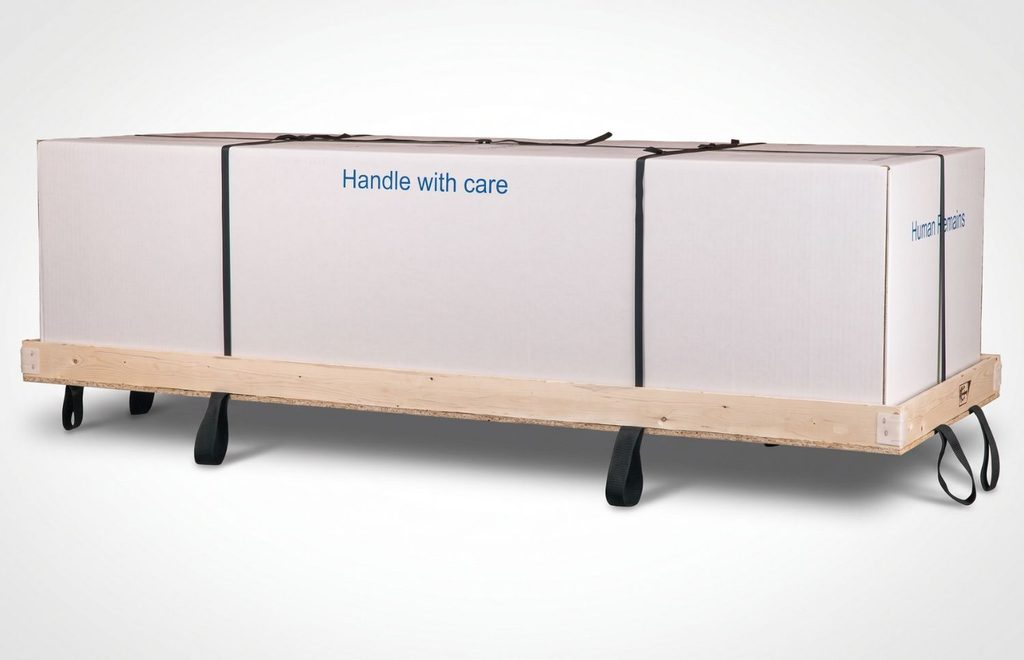
An air tray provides an outer shipping container designed to protect and secure a casket during transportation. Starmark’s Air Shipping Tray uses a wood base, fiberboard lid, and nylon straps, with carrying straps, a packing slip envelope, and a casket bag included.
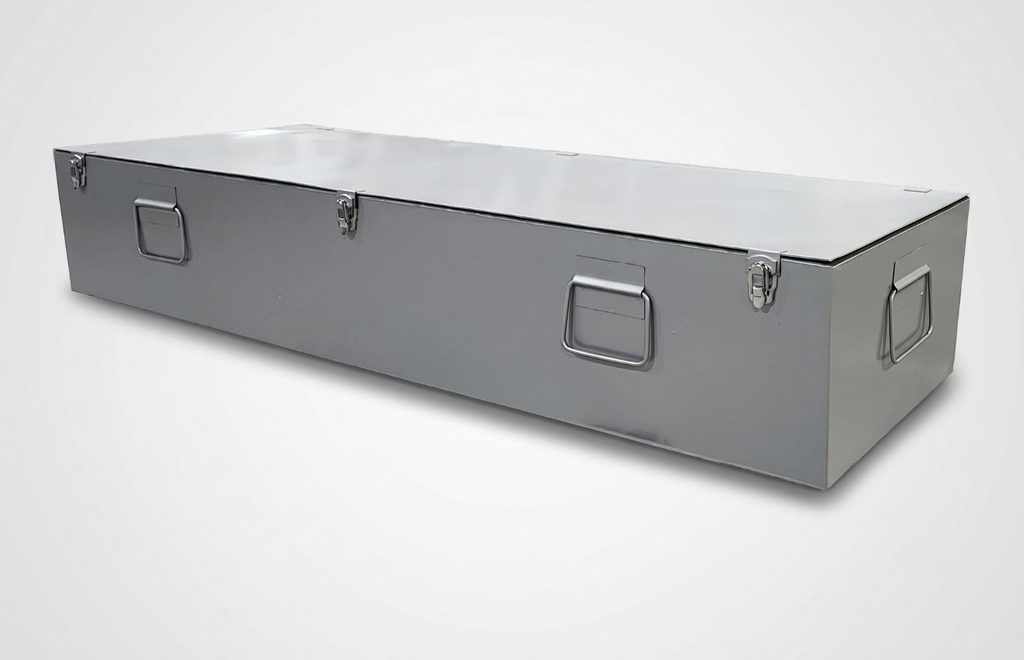
A Ziegler Case serves a different purpose. Starmark’s Ziegler Case is constructed from galvanized 20-gauge steel with a rubber gasket seal, locking clasps, and four integrated handles. Starmark describes it for international shipments, repatriation, and transfers where embalming is not possible or permitted.
The distinction is straightforward. An air tray provides an outer shipping structure around a casket, while a Ziegler Case provides a sealed metal transport case.
The transfer itself should guide the selection, including its destination, preparation requirements, and method of transportation.
How Air Trays and Ziegler Cases Differ
Shipping human remains can involve multiple handoffs between the sending funeral home, carrier, and receiving facility. The container needs to accommodate those movements while meeting the requirements that apply to the specific transfer.
An air tray adds protection around the casket during transportation. Starmark’s Air Shipping Tray has reinforced corners and nylon strapping that have been third-party weight-tested to support up to 1,000 pounds. The tray also includes carrying straps and a casket bag for the transportation process.
The tray does not replace the casket. It functions as the shipping structure around it, helping protect the casket as it moves through the transportation process.
A Ziegler Case approaches transportation differently. Its steel construction, gasket seal, and locking clasps create an enclosed case for transfers where that type of containment is appropriate.
The distinction also matters when specific containment requirements apply. CDC guidance states that non-cremated human remains entering the United States must be fully contained in a leak-proof container and packaged and shipped according to applicable legal requirements. CDC identifies a sealed metal body transfer case as one example of a leak-proof container.
That requirement does not mean every international shipment calls for a Ziegler Case. Funeral Professionals should confirm the requirements for the specific transfer before selecting the container.
Air Tray vs. Combo Shipping Tray
A Combo Shipping Tray differs from an Air Shipping Tray because its configuration includes a mattress and headrest.
Starmark’s Combo Shipping Tray has a wood base, fiberboard lid, nylon straps, reinforced corners, mattress, headrest, packing slip envelope, and casket bag. It is designed for air transportation and is available in standard and oversized options.
That configuration may be useful when the transportation setup calls for those components to be included with the shipping tray. Staff should confirm the preparation requirements, receiving facility expectations, and applicable carrier instructions before finalizing the setup.
Starmark’s shipping trays collection includes Air Shipping Trays, Combo Shipping Trays, an All Wood Combo Shipping Tray, a Combo Child Shipping Tray, an International Shipping Crate, and Ziegler Cases.
What to Check Before Shipping Human Remains
Preparation starts before the container is assembled. A few focused checks can clarify what the transfer requires and give staff time to address an issue before pickup.
Confirm the Destination
Domestic transportation and international repatriation can involve different requirements. International shipments may involve the destination country’s rules, consular coordination, airline procedures, and documentation that would not apply to a transfer between nearby funeral homes.
For remains entering the United States, CDC guidance includes specific documentation requirements. For example, non-cremated and non-embalmed remains intended for final disposition must generally be accompanied by a death certificate stating the cause of death, subject to the exceptions outlined by CDC.
Confirm the Preparation
The preparation of the deceased can affect the transportation arrangements. Embalmed, non-embalmed, and cremated remains can fall under different requirements.
Funeral Professionals should confirm the requirements for the specific transfer rather than carrying assumptions from one shipment to another.
Check the Dimensions
Container dimensions should be confirmed before preparation begins. An oversized casket or larger individual may require a different shipping configuration.
Starmark offers oversized versions of its Air Shipping Tray and Ziegler Case. Checking measurements before pickup gives staff time to address a fit issue while the shipment is still being prepared.
Confirm the Receiving Facility’s Expectations
The receiving funeral home or crematory may have its own procedures for accepting human remains. Those expectations should be established before the shipment leaves.
A short conversation can clarify the container, preparation requirements, identification information, documentation, and handling instructions that need to accompany the transfer.
Review the Paperwork
Documentation deserves the same attention as the physical shipment. Names, identification information, destination details, and other required records should be checked against the information accompanying the deceased.
A final review before pickup allows the sending funeral home to correct a discrepancy while the shipment is still under its control.
Shipping Human Remains With Care and Confidence
Shipping human remains is one of those responsibilities where careful preparation matters. Families may never see the coordination behind a transfer, but Funeral Professionals understand the importance of handling the deceased with care from the funeral home through delivery.
Air trays, Combo Shipping Trays, and Ziegler Cases each serve different transportation needs. Understanding the container’s configuration and confirming the destination, preparation, carrier, receiving facility, and documentation requirements can help staff prepare the transfer before it leaves the funeral home.
Starmark offers transportation products designed around the practical needs Funeral Professionals encounter when arranging these transfers. Its shipping trays provide options for different transportation configurations and transfer requirements.
When a funeral home needs to plan an upcoming transfer, the right container starts with understanding the specific circumstances involved. To discuss transportation products for your funeral home’s needs, get in touch with Starmark.
Written in partnership with Tom White