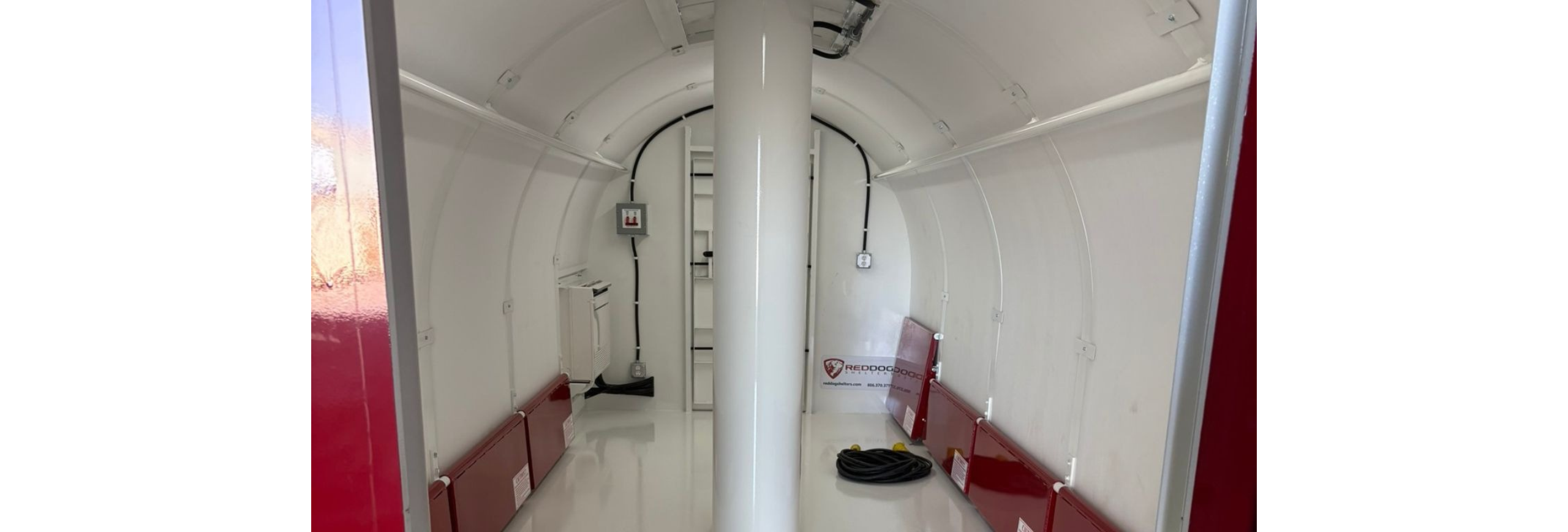

Severe weather can trap a crew inside a sealed steel shelter for hours at a time. Knowing how to make a storm shelter comfortable matters just as much as the shelter’s strength. Heat and cold stress can slow reactions and cloud judgment during a long wait.
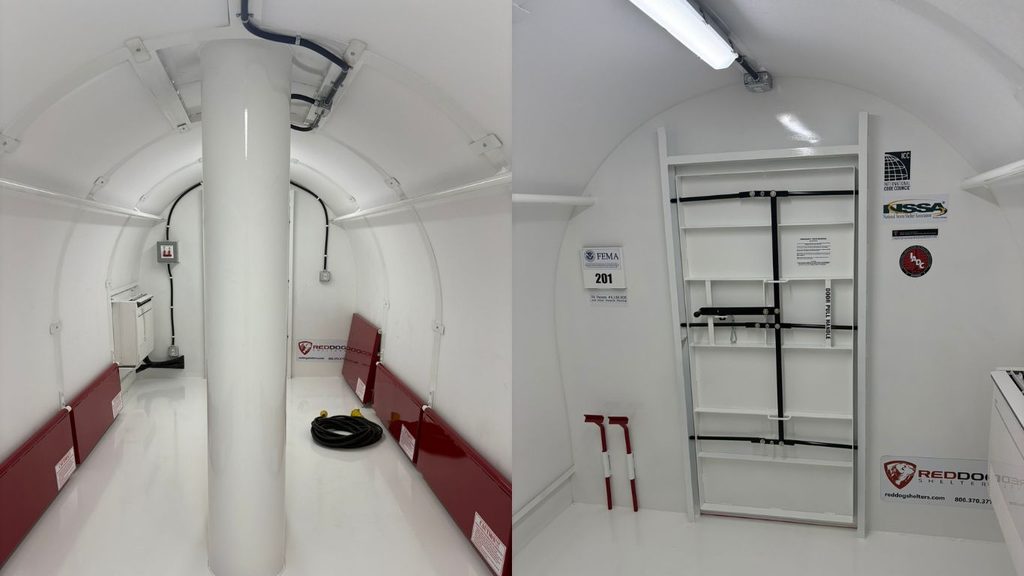
Red Dog Shelters builds every unit with dual air conditioners and heaters as standard gear. A Rapid Cool Down station adds fast relief the moment your crew steps inside. Comfort inside the shelter turns a stressful wait into a safe, steady one for your team.
How Do You Make a Storm Shelter Comfortable in Severe Weather?
You make a storm shelter comfortable by pairing sealed steel walls with active climate control. Dual air conditioners and heaters hold a steady temperature no matter the season outside. A Rapid Cool Down station and proper airflow keep the space livable during a long shelter-in-place event.
- Recognize the risk first: a sealed steel shelter can heat up fast, and heat stress builds quickly in a packed space during a storm.
- Check the data behind it. Heat ranks as the leading cause of death among hazardous weather events, according to OSHA’s heat exposure data.
- Install dedicated cooling stations for extreme heat that can lower body temperature within minutes of entry.
- Add portable warming rooms for winter callouts, preventing the same slowdown cold causes instead of heat.
- Keep airflow and temperature steady throughout the shelter, so cold-weather crews don’t lose feeling in their hands during long waits.
A shelter with no active climate control forces your crew to just tough it out, whatever the season. Comfort is a safety feature, not an afterthought bolted onto the shelter, and building it into the plan from day one keeps every crew member steadier through the wait.
Climate Control Features That Keep Crews Safe and Steady
Red Dog builds every shelter around comfort as much as raw structural strength. Dual Mitsubishi mini-splits cool the space fast, even when the outside temperature climbs into the triple digits. Built-in heaters do the same job in reverse once winter storms roll through.
Why Comfort Affects Decisions During a Long Wait
A hot, stuffy shelter makes people irritable and slow to think clearly under stress. Cool, steady air keeps your crew calm enough to follow the safety plan step by step. Twin vacuum tubes in the roof create a downward force that holds the shelter to the ground as wind builds.
Since the shelter stays anchored on its own, your crew can focus on staying comfortable instead of worrying about wind. A ventilation system built for safety keeps air moving even with the door sealed shut. Fresh, filtered air matters as much as temperature when a crew waits out a storm for hours.
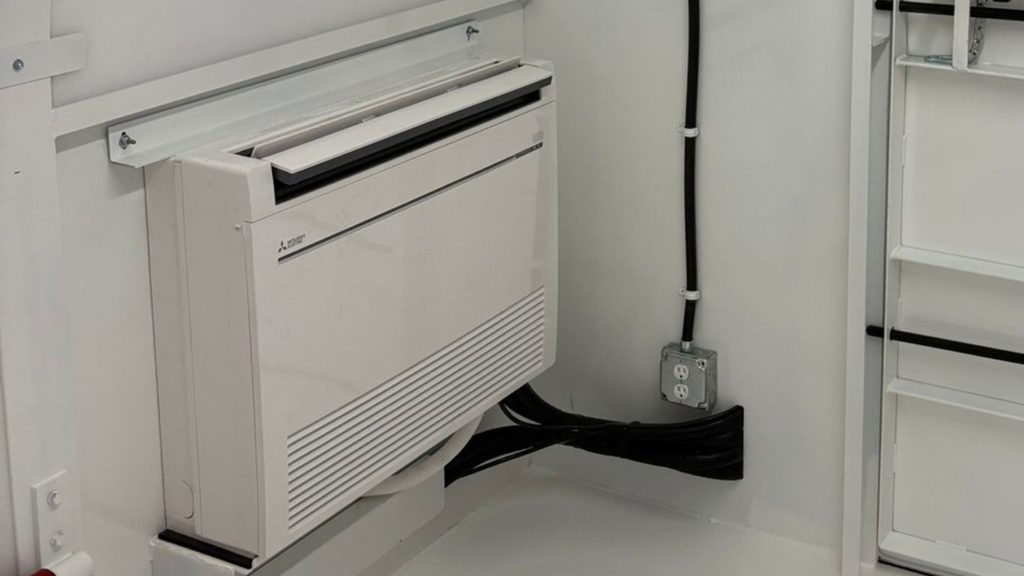
Knowing how to make a storm shelter comfortable also means planning for noise and light, not just temperature. Soft interior lighting and a quiet A/C system keep the space calm during a stressful wait. Every Red Dog unit ships with the same climate gear, so comfort never depends on which yard it left. A dual-purpose cooling and heating room also works well as a break space on hot job-site days. Flexibility like that turns climate control into an everyday tool, not just a storm-day feature.
How to Make a Storm Shelter Comfortable During a Long Wait
A comfortable shelter keeps your crew productive even when a storm stalls the whole job site. Nobody works well after an hour of sweating or shivering while waiting on a warning. Red Dog builds that comfort into features that also fit how a real job site runs.
- No foundation work means faster setup, so climate control comes online the moment the unit lands.
- Add units as your headcount grows, and every new shelter arrives fully climate-ready.
- Spread comfortable shelters across the site, so no crew is ever far from relief.
- Move a unit yourself, or let our winch truck reposition it as work shifts.
- Use the same climate-controlled space as a muster point, meeting room, or lightning-safe shelter.
Productivity holds steady when your crew trusts the shelter to be ready either way. A team that stays comfortable also helps reduce weather-related downtime across the project. In the end, that mindset is how to make a storm shelter comfortable pay off in real productivity.
Keep Your Crew Comfortable and Ready for the Next Storm
Comfort inside a storm shelter is not a luxury when a severe-weather window drags on. Dual air conditioners, heaters, and a Rapid Cool Down station keep your crew alert and ready. Since climate control protects both safety and output, it belongs on every job-site checklist.
Every crew deserves a shelter that stays cool in summer and warm in winter. Red Dog Shelters ships fully equipped units with climate control already built in. Contact our team today to plan a climate-ready shelter setup for your crew’s next project.
Written in partnership with Tom White