
Recovery is personal. But the systems built to support recovery can be impersonal, complicated, and, at times, disconnected from the people they are designed to serve.
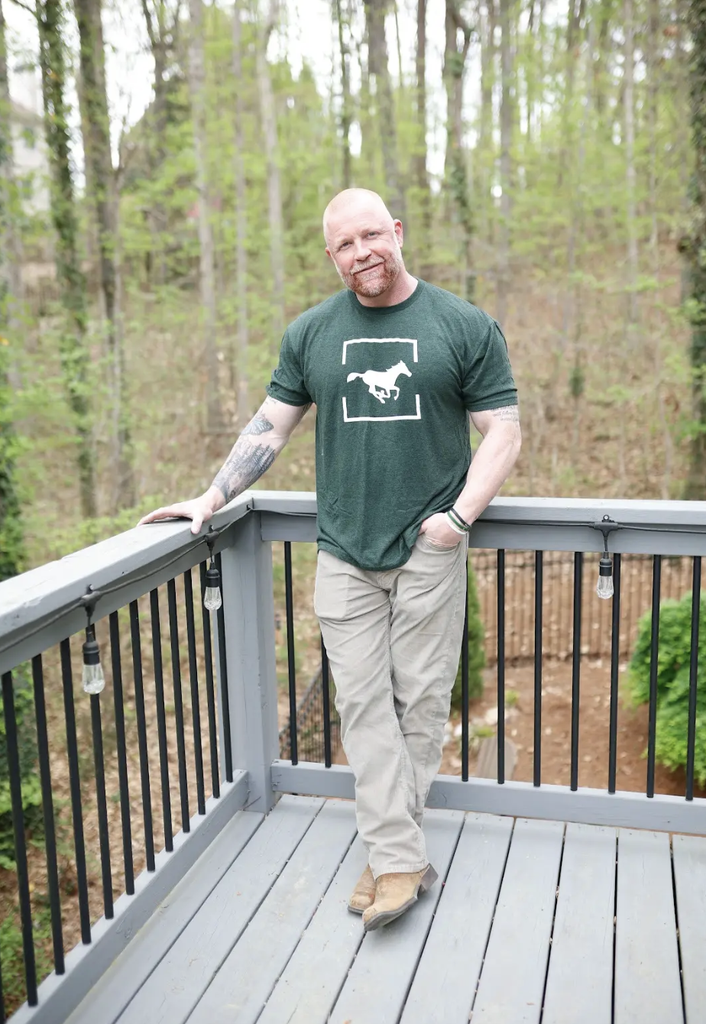
Todd Stumbo has spent more than two decades working to change that.
With more than 20 years in the addiction and behavioral health field, Stumbo has moved through roles ranging from direct care to executive leadership. Today, his work in Georgia spans three organizations with distinct identities but a common philosophy: people come first, standards matter, and lasting recovery requires more than simply treating a diagnosis.
Through Thoroughbred Wellness & Recovery, Mosaic Wellness & Recovery and MARR Addiction Treatment Centers, Stumbo is helping shape a model of behavioral healthcare that combines clinical rigor with something equally important: an understanding of what it feels like to need help.
A Leader Who Knows Recovery From the Inside
Stumbo’s perspective on treatment is not purely academic or administrative. He is also a person in long-term recovery.
In 2026, Stumbo publicly marked 22 years of sobriety, describing the milestone as something made possible by the people who supported him and by the recovery community that helped show him another way forward. His message was simple: if recovery was possible for him, it could be possible for someone else, too.
That experience has become part of the leadership philosophy he brings to behavioral healthcare.
Stumbo describes his professional mission in terms of culture, humility, integrity and adding value to the people around him. His credentials include an MBA focused on healthcare management, Certified Master Addiction Counselor, Certified Clinical Supervisor, Certified Alcohol and Drug Counselor Level II, Certified Addiction Counselor Level II, Certified Anger Management Specialist and a Human Services – Board Certified Practitioner.
But credentials alone do not explain his approach.
The through line is the belief that the environment surrounding treatment can influence whether people merely complete a program – or genuinely begin to rebuild their lives.
Thoroughbred: Building a New Model Around Freedom
Stumbo launched Thoroughbred Wellness & Recovery after years in the behavioral health industry, with a vision built around three principles: be bold, be brave and be authentic.
The concept reflects his belief that treatment should help people move beyond simply managing symptoms and toward understanding themselves, developing clarity and creating meaningful internal change. In announcing Thoroughbred, Stumbo also emphasized the importance of helping people affected by trauma, substance use and mental health challenges find lasting freedom through self-discovery.
The organization now provides multiple levels of behavioral health and substance-use care in Georgia, including detoxification, residential, PHP, IOP and outpatient services. Its therapeutic offerings include evidence-based approaches such as cognitive behavioral therapy and dialectical behavioral therapy, alongside modalities including EMDR, ART, psychodrama, equine therapy and other trauma-focused interventions.
That combination is intentional.
For Stumbo, recovery is not one-size-fits-all. A person’s history, relationships, trauma, mental health, substance use and support system all influence what successful treatment should look like.
Thoroughbred’s philosophy therefore places an emphasis on creating clarity and helping individuals develop the confidence and skills necessary to take ownership of their lives.
It is a philosophy that mirrors Stumbo’s own story: recovery as a process of transformation, not simply abstinence.
Mosaic: Seeing the Whole Person
If Thoroughbred represents Stumbo’s entrepreneurial vision for behavioral healthcare, Mosaic represents another piece of that vision: integrated mental health and addiction treatment.
Mosaic Wellness & Recovery is designed around the idea that mental health and substance use cannot always be separated into neat categories. Its Georgia programs provide residential and outpatient services for adults dealing with mental health conditions, addiction and co-occurring disorders. The organization emphasizes individualized treatment planning, trauma-informed care, evidence-informed therapies and coordinated support.
Mosaic’s current residential location in Johns Creek and outpatient location in Norcross give the organization a broader continuum of care, while its programming addresses issues ranging from anxiety and depression to trauma and substance use.
That “whole-person” philosophy is central to the model.
Instead of asking only, What is wrong? the goal is to understand What is happening? – and then determine what combination of clinical support, structure, therapy, community and aftercare can help someone move forward.
Thoroughbred’s emphasis on dignity and individualized care also reflects one of the strongest themes in Stumbo’s leadership: people should not feel like numbers moving through a system.
They should feel seen.
MARR: Honoring a Legacy While Moving Forward
Perhaps the most significant test of Stumbo’s leadership philosophy has been MARR.
Founded in 1975, MARR – Metro Atlanta Recovery Residences – has built more than five decades of history around long-term addiction recovery. Its model emphasizes gender-specific treatment, therapeutic community, accountability and sustained recovery, with a focus on helping guests address the physical, mental and spiritual dimensions of addiction.
In 2024, MARR — a nonprofit organization now in its sixth decade of service — brought in Stumbo and the management team he is a part of to help guide the organization forward, with Stumbo serving as CEO. MARR was not purchased, and its ownership never changed hands: it remains a nonprofit, and the management partnership was designed to strengthen MARR financially and operationally while preserving the values and traditions that had defined it. Planned changes included modernizing approaches, incorporating evidence-based practices and expanding services.
For Stumbo, the opportunity was about more than leading an established organization.
It was about protecting something worth preserving.
In discussing the partnership, he spoke about his respect for MARR’s history and the significance of becoming part of a legacy that had already affected generations of people and families.
That balance – honor the past while refusing to be trapped by it – may be one of the clearest examples of Stumbo’s approach to leadership.
Better Outcomes Start With Better Culture
Across Thoroughbred, Mosaic and MARR, the terminology and treatment models may differ, but the philosophy underneath them is remarkably consistent.
Culture matters.
Stumbo has repeatedly emphasized that an organization’s culture is not a slogan on a wall. It shows up in decisions, accountability, clinical standards and, most importantly, in how people are treated.
That philosophy is particularly relevant in behavioral healthcare, where trust can determine whether someone seeks help in the first place – and whether they remain engaged once treatment begins.
A person entering recovery may arrive carrying shame, fear, trauma, damaged relationships and years of believing that change is impossible. A treatment provider cannot simply hand that person a program manual and expect transformation.
There has to be connection.
There has to be accountability.
And there has to be hope.
Stumbo’s leadership model attempts to bring those elements together with professional standards and measurable organizational discipline.
People First Isn’t a Slogan
The phrase “people first” can become corporate shorthand. In Stumbo’s case, it is closely connected to his own recovery story.
He knows what it means to need another person to believe in you before you are capable of believing in yourself.
He knows that recovery is rarely accomplished alone.
And he appears to understand that the responsibility of a treatment leader extends beyond running an organization. It includes creating an environment where clinicians can do meaningful work, families can find answers and people struggling with addiction or mental illness can begin imagining a different future.
That is ultimately what connects Thoroughbred, Mosaic and MARR.
They are not identical programs, nor should they be. Each occupies a different place within Georgia’s behavioral health landscape.
But together, they illustrate a broader vision: higher standards should produce better outcomes, and better outcomes should always begin with treating people like people.
For Todd Stumbo, that philosophy is not simply a business strategy.
It is personal.
After 22 years in recovery and more than two decades working in the addiction field, his career has become an extension of a message he has shared publicly many times: another day is possible, another life is possible, and the circumstances that once defined someone do not have to determine where they end up.
In Georgia’s evolving recovery landscape, Stumbo is betting that the strongest organizations will be the ones willing to combine compassion with accountability, tradition with innovation, and clinical excellence with genuine human connection.
And if his work across Thoroughbred, Mosaic and MARR is any indication, that is the standard he intends to keep raising.
Written in partnership with Tom White