
Maybe what you remember is a dried leaf disappearing into a pot of beans, or an older relative making tea without measuring anything at all. You knew the smell. You may even have known the name, hoja de aguacate. What you did not get was the set of instructions.
Avocado leaves have a place in both Mexican cooking and herbal tea traditions. Learning how they are used can turn that half-memory into something practical. Here is how avocado leaf tea tastes, where the leaves fit into the kitchen, what current research can and cannot tell us about potential benefits, and how to brew a simple cup responsibly.
The Ingredient You May Remember but Never Used Yourself
Plenty of family cooking lives in movements rather than written recipes: a leaf warmed on a comal, something dropped into the pot “until it tastes right,” or a tea made by color and smell. That knowledge can be easy to recognize and hard to reproduce later.
Avocado leaves are one of those ingredients. You may remember them from beans, mole, a slow-cooked dish, or a warm drink without knowing which method belonged to your family. Learning what the leaf does gives a name and a purpose to something that may already feel familiar.
What Is Avocado Leaf Tea?
Avocado leaf tea is a simple herbal infusion made by steeping dried avocado leaves in hot water. The leaf, not the avocado flesh, oil, or pit, provides the flavor.
The same dried avocado leaves can also work as a seasoning, which is part of what makes them useful to know. A bag of culinary-grade hojas de aguacate can move between a pot of food and a teacup instead of living in the pantry as a single-purpose wellness ingredient.
Why the Aroma May Feel Familiar
Warm an avocado leaf and the aroma can turn earthy, herbal, and lightly sweet, with some leaves carrying an anise-like note. The exact character varies with the leaf, variety, storage, and preparation, so your remembered version may not smell exactly like someone else’s.
The tea follows the same pattern. A shorter steep stays lighter and gentler. Leave the leaf in longer and the cup becomes more assertive, with bitterness becoming easier to notice.
How Avocado Leaves Were Used Beyond Tea
In parts of Mexican cooking, avocado leaves are used to season beans, meats, moles, stews, and other slow-cooked dishes. Some recipes toast the leaf first to wake up its aroma; others add it whole and let it season the pot as it cooks.
Those methods vary by region and household. That is useful context if the smell feels familiar but the teacup does not. The memory may come from frijoles or mole instead. Tea is one way to use hoja de aguacate, but it is only one part of the ingredient’s kitchen life.
Why People Drink Avocado Leaf Tea
Some people drink avocado leaf tea because they like its warm, herbal flavor. Others know it as a family routine: something served after a meal, made on a cool evening, or prepared because an older relative believed it was good “for the stomach.”
That inherited explanation is part of the story, but it is not the same as proof that the tea treats a digestive problem or another condition. Flavor, warmth, familiarity, and ritual are enough reasons to make a cup without turning a family beverage into medicine.
Potential Benefits and the Limits of Current Research
An unsweetened cup of herbal tea contributes fluid to your day, and avocado leaves contain plant compounds that have attracted scientific interest. Research has explored avocado leaf extracts and isolated compounds for antioxidant and metabolic activity, among other effects.
The important distinction is the form being studied. Laboratory preparations, concentrated extracts, and animal studies do not tell us that an ordinary homemade cup will produce the same effects in people. Human evidence for regularly brewed avocado leaf tea remains limited, so claims about blood pressure, blood sugar, digestion, or other health outcomes should stay modest. Enjoy the tea for what it reliably offers: flavor, warmth, and a connection to a familiar ingredient.
How to Brew Avocado Leaf Tea
Start with culinary-grade dried avocado leaves rather than leaves picked from an ornamental or unknown tree. Bring about two cups of water to a boil, remove it from the heat, and add one dried leaf. Let it steep for roughly five minutes, then taste before deciding whether you want it stronger.
Strain the tea and serve it warm. If the cup is too mild, you can extend the next steep or use a little more leaf; if it turns bitter, shorten the steep. Some families lightly toast the dried leaf in a dry pan first. Treat that as an optional family method, not a required step.
Recreating the Cup You Remember
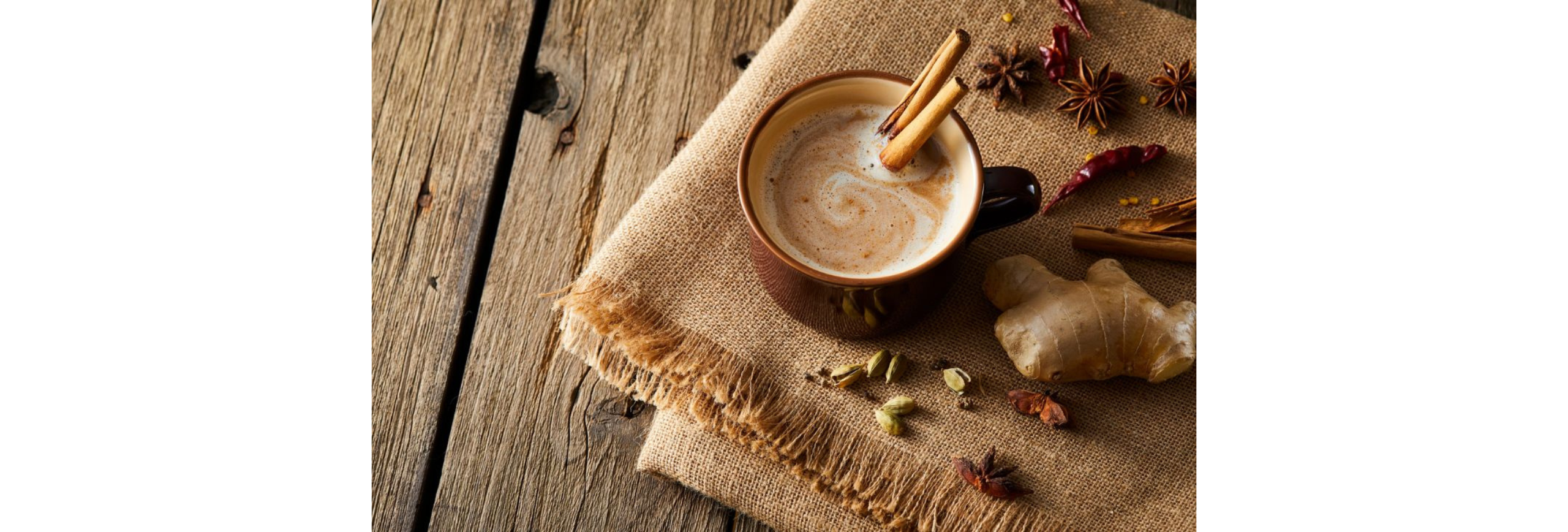
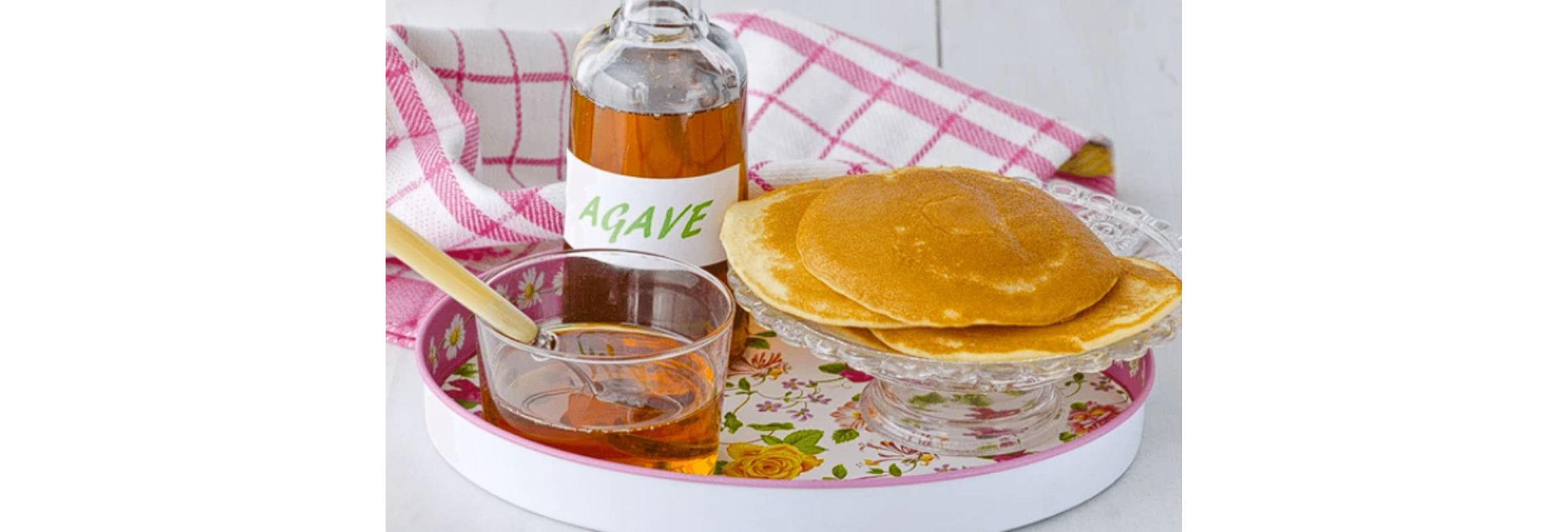
Once you know the basic tea, the interesting part may be figuring out what else was in the cup you remember. Honey or piloncillo can add sweetness. Cinnamon or ginger adds warmth, while lime, orange peel, or mint can pull the tea in a brighter direction.
Make one small change at a time so you can tell what brings the memory closer. If you can, ask an older relative whether the family version was plain, sweetened, citrusy, or spiced. A general brewing method gets you started; those small details are what turn it into your household’s cup.
Safety, Sourcing, and Frequency
Use avocado leaves sold specifically for culinary or tea use. Do not make tea from unknown, treated, or ornamental leaves simply because they came from an avocado tree.
Because research on regular avocado leaf tea consumption in humans is limited, moderation makes more sense than treating it as an unlimited daily tonic. Start with a small serving and pay attention to how you feel. If you are pregnant or breastfeeding, take medications, manage a chronic condition, or plan to serve the tea to a child, check with a healthcare professional before making it part of a regular routine.
From a Family Memory to a Tradition You Can Name
Sometimes preserving a food tradition starts with learning the name of one ingredient and what to do with it. Write down what you remember about hoja de aguacate: the smell, the dish, the person who used it, or the occasion when it appeared. Then add the method you have learned.
The tradition can continue in tea, beans, mole, or whatever version belongs in your kitchen. Mama Chedes can help you find dried avocado leaves and other familiar Mexican ingredients when rebuilding those traditions outside Mexico.
Written in partnership with Tom White